Braking

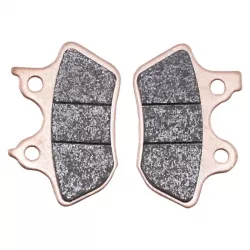
Deceleration Dynamics: Friction Management and Heat Mitigation Deceleration performance at the wheel hub dictates corner entry speeds and straight-line safety. Upgrading stock caliper units with high-friction sintered compounds reduces stopping distances while maintaining lever pressure uniformity under heavy heat load. High-grade braking hardware transforms fluid displacement into instant clamping force, allowing you to modulate your deceleration with total confidence under demanding track or trail conditions. Friction Media: Selecting Compound Formulations Brake pads are the critical interface between kinetic energy and temperature dissipation. Sintered metal pads, like the high-performance Plaquettes de frein SBS 634HS , deliver aggressive initial bite and outstanding performance stability across extreme temperature ranges. For street riding, ceramic or organic options offer smoother bite and less rotor wear, whereas track-bound setups demand specialized sintered compounds that resist fade during consecutive hard braking events. Fluid Pressurization and Expansion Management The hydraulic pathway requires air-free fluid continuity to transmit pressure from the lever to the pistons. Factory-fitted plastic fluid reservoirs often suffer from degradation due to UV exposure and moisture intrusion. Upgrading to a CNC-machined reservoir, such as the bronze Réservoir fluide de frein arrière CT015Z Rizoma - bronze , guarantees physical durability, provides excellent sealing against atmospheric humidity, and sharpens the visual profile of your bike's back-end brake setup. Rotor and Caliper Synergy To maximize friction efficiency, matching new pad compounds with highly durable brake rotors is paramount. Well-ventilated rotors mitigate gas buildup and heat, reducing pad glaze. Upgrading standard lines to braided stainless lines further guarantees that fluid pressure translates directly to caliper actuation without expansion-related spongey feedback at the hand lever.
▼ Lire la présentation

Active filters