Subcategories

Yamaha YZF-R7 (2022+)
Chassis Rigidity & Control Upgrades
Carving through a tight apex on a track day or navigating demanding mountain switchbacks on the CP2-powered twin requires absolute authority over your chassis. Fine-tuning the feedback from your front suspension and handlebar assembly translates directly into faster cornering. Upgrading the stock mirrors to a streamlined winglet profile, such as the Stealth Rizoma mirror for Yamaha YZF-R7, helps manage downforce while sharpening the profile of your bike. CNC-machined billets replace flimsy plastic stock units, ensuring clean lines and minimal vibration at high revs. Adjusting your stance with premium rearsets also alters weight distribution, allowing you to lean deeper with confidence.
Brake Upgrades for High-Performance Deceleration
Slowing down safely before entering a hairpin demands bite and heat resilience. Standard brake pads can fade under heavy track abuse. Fitting aggressive racing compounds, such as the sintered SBS 634HS brake pads, provides instantaneous response and excellent modulation. Pair this with a robust fluid reservoir like the Rizoma rear brake fluid reservoir CT015Z to resist fluid expansion under pressure. These upgrades swap soft factory feel for solid pressure at the lever, allowing you to trail-brake deeper into corners without losing feedback.
Chassis Defense & Aesthetic Refinement
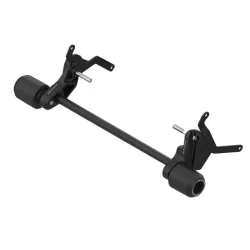
Weight reduction and structural defense are equally vital when prepping a middleweight twin for track use. Frame sliders and wheel axle sliders shield critical engine casings and suspension forks if the bike slides, absorbing impact energy instead of letting it ruin your crankcase. Meanwhile, substituting the bulky stock license plate holder with a lightweight aluminum bracket tidies the tail section. Our curated inventory features premium anodized hardware crafted for a perfect fit. Every upgrade in our collection is backed by exceptional build quality and shipped rapidly so you can get back on the asphalt without delay.

Yamaha YZF-R6 (2001-2004)
The transitional era of the Yamaha YZF-R6—spanning the final carbureted iterations of 2001–2002 to the fuel-injected updates of 2003–2004—remains a high watermark for lightweight supersport geometry. Keeping these legacy platforms operating at peak track performance requires targeting weak points in the stock braking and fluid setups. Swapping worn stock front pads for high-bite alternatives like the SBS 634HS brake pads restores immediate lever feedback and heat dispersion under heavy load. To complement this upgrade, mounting a precision-crafted Rizoma rear fluid reservoir in anodized bronze provides a durable, leak-free housing that resists the degradation common to older plastic OEM cups. This setup ensures that hydraulic lines sustain consistent pressure devoid of soft spots during demanding sessions.
Upgrading Signaling and Aesthetic Lines
Early R6 body styles suffer from bulky, outdated turn signals that disrupt the clean, wind-slicing bodywork. Streamlining the tail section with a compact setup is a common step in modernizing the bike's silhouette. Utilizing the billet aluminum Rizoma Corsa S rear turn signal offers intense illumination while shrinking the visual footprint. This modular upgrade cleans up the rear tail lines, substituting aged bulbs with high-efficiency LEDs that draw less power from the classic electrical network. Eliminating heavy stock overhangs allows the sharp, streamlined silhouette of the tail unit to stand out, matching modern aesthetic standards while preserving safety on fast road sections.
Billet Aluminum Upgrades for Rigidity
Replacing aged components with modern aftermarket alternatives is crucial for preserving functional soundness. Choosing parts milled from solid blocks of high-tensile alloy ensures they withstand high-frequency resonance from the screaming 15,000 RPM powerplant. These upgrades replace malleable cast aluminum with hard-anodized parts that offer superior longevity and defense against environmental wear. By prioritizing robust mountings and tighter tolerances, you preserve the precise handling balance that made this generation of the R6 legendary. Adding premium bar-end weights or dedicated mirror blanking plates further balances the front assembly, reducing high-frequency buzz at the grips.
Yamaha YZF-R3 (2025+)
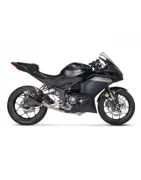
The updated fairing contour and rev-happy 321cc power plant of the 2025+ Yamaha YZF-R3 demand weight-saving, high-strength chassis additions that complement its agility.
Refining the Lightweight Chassis
Chassis modifications for this platform must prioritize weight savings without sacrificing high load-bearing strength. Replacing factory-fitted polymers with CNC-cut aerospace-grade alloys sheds unnecessary weight while increasing overall rigidity. For a streamlined front fairing setup, securing high-grade glass without adding bulk is crucial. For instance, clean fairing-mounted glass setups are achieved using a specialized Rizoma fairing adapter kit, which replaces bulky stock brackets with billet aluminum mounts designed to resist intense wind resistance at high velocity.
Enhancing Deceleration Force and Control
Squeezing maximum performance from a lightweight twin-cylinder means utilizing high-performance stopping compounds. Sintered elements provide a steady bite under high thermal stress, preventing fade on technical roads. Fitting specialized SBS 634HS stopping pads provides immediate leverage at the caliper, transforming stock lever response into a highly modular, predictable deceleration experience. This ensures the pilot can carry higher speeds into tight corners with absolute confidence.
Guarding Key Areas Against Track and Street Debris
Shielding the radiator and engine casings is essential for the YZF-R3, as high-speed debris can easily puncture cooling systems. Lightweight aluminum guards act as a defense layer without blocking critical airflow. These expertly-milled protective guards shield the radiator core from gravel thrown by the front tire. Additionally, high-strength sliders protect the side cowlings in the event of a low-side slide, allowing the bike to slide smoothly on low-coefficient surfaces rather than catching and flipping.
Minimalist Lighting and Tail-End Aesthetics
The sharp, aggressive lines of the modern R3 are often cluttered by oversized factory lighting. Modifying the tail section with sleek, high-visibility signaling options creates a clean look. Mounting the sleek, anodized Rizoma Corsa S turn signals on the aft section of the bike removes visual clutter while providing intense LED luminosity. Combining these with billet aluminum bar ends improves balance and damps high-rpm oscillations through the clip-ons.




Carpuride W702 Wireless Portable Dual Bluetooth Waterproof IP67 Motorcycle Stereo
- On sale!
- -8%




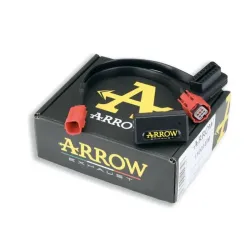
11001EM lambda sensor simulator - engine trouble code eliminator Arrow EURO5
- -16.7%